Buy rield.com ?
We are moving the project
rield.com .
Are you interested in purchasing the domain
rield.com ?
domain@kv-gmbh.de · 0541-91531010
Buy rield.com ?
Induction or ceramic?
The choice between induction and ceramic cooktops depends on personal preferences and cooking habits. Induction cooktops are more energy-efficient, faster, and offer precise temperature control, but they require compatible cookware. Ceramic cooktops are more affordable and easier to clean, but they heat up and cool down more slowly. Ultimately, the decision between induction and ceramic cooktops should be based on your cooking needs and budget. **
What is the difference between electromagnetic induction and self-induction?
Electromagnetic induction is the process of generating an electromotive force (emf) in a conductor by changing the magnetic field around it. This can occur when the magnetic field is changing due to the motion of a magnet or a changing current in a nearby conductor. Self-induction, on the other hand, is a phenomenon where a changing current in a conductor induces an emf in the same conductor itself. In self-induction, the changing current creates a changing magnetic field that induces an emf in the conductor, leading to a resistance to the change in current flow. **


Similar search terms for Induction
Top-Angebote
Products related to Induction:
-
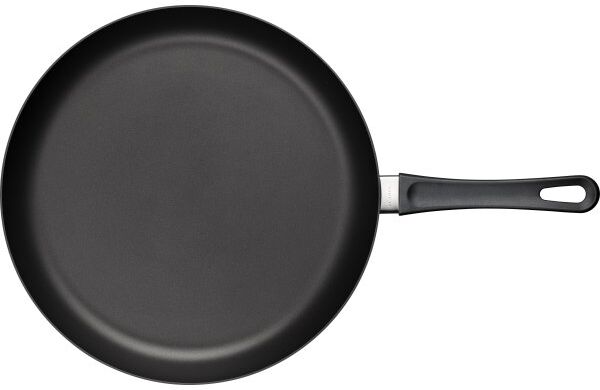
Scanpan Classic Induction Stegepande, 32 Cm.Classic Induction serien er skabt til dig, der ønsker funktionalitet og holdbarhed i et tidløst design. Stegepanden er udstyret med Scanpans velkendte Stratanium® non-stick belægning, som gør det muligt at stege uden brug af fedt og samtidig sikrer nem rengøring. Den håndstøbte aluminiumskrop giver en hurtig og jævn varmefordeling, mens den indstøbte stålbund gør panden velegnet til alle komfurtyper – inkl. induktion. Det ergonomiske håndtag er fastgjort med et patenteret låsesystem uden skruer eller nitter, hvilket sikrer lang holdbarhed. De vigtigste fordele: Unik Stratanium® non-stick belægning Hurtig og jævn varmefordeling Velegnet til alle komfurtyper – inkl. induktion Ovnfast op til 250°C Jævn varme og nem rengøring Den håndstøbte aluminiumskrop sikrer effektiv varmefordeling, så du opnår ensartede stegeresultater uden kolde zoner. Non-stick belægningen gør, at maden slipper let – uden brug af fedt – og gør rengøringen hurtig og enkel. For optimal holdbarhed anbefales det altid at rengøre med opvaskemiddel. Holdbar konstruktion med gennemtænkte detaljer Panden er designet til daglig brug med fokus på slidstyrke og funktionalitet. Det patenterede låsesystem sikrer, at håndtaget forbliver stabilt uden at løsne sig over tid, da det hverken er monteret med skruer eller nitter. Den robuste konstruktion sikrer samtidig, at panden bevarer sin form – selv ved hyppig brug. Dansk kvalitet og maksimal fleksibilitet Stegepanden er produceret i Danmark og udviklet til at levere stabile resultater i køkkenet. Den fungerer på alle komfurtyper – inkl. induktion – og tåler ovn op til 250°C, så du nemt kan kombinere stegning på komfur med færdiggørelse i ovn. Specifikationer: Diameter: 32 cm Højde: 7,1 cm Bunddiameter: 22 cm Vægt: 1,61 kg Materiale: Aluminium Maks. temperatur: 250°C Komfurtyper: Velegnet til alle komfurtyper Opvaskemaskine: Ja Oprindelsesland: Danmark Scanpan – Dansk kogegrej siden 1956 Scanpan er kendt i så vel indland som udland, for sin produktion af kvalitetskogegrej. Med en dyb forankring i dansk håndværksteknik, fremstiller virksomheden sine produkter på egen fabrik i Danmark. Udover gryder og pander, har Scanpan tilhørende sortimenter med samme fokus på kvalitet og design, indenfor knive, To-Go produkter og meget mere.1098,75 DKK*Shipping: 31,19 DKKSecure redirect to the provider
-
What is the difference between induction anchoring and induction assumption?
Induction anchoring involves using a specific example or case as a starting point to make a generalization about a broader concept or phenomenon. This method relies on the initial example to set the tone for the generalization. On the other hand, induction assumption involves making a generalization based on a set of assumptions or premises that are believed to be true. This method relies on the logical inference from the assumptions to make a broader generalization. In summary, induction anchoring starts with a specific example, while induction assumption starts with a set of assumptions. **
-
Information about induction stoves and induction cooktops is being sought.
Induction stoves and cooktops are a type of cooking appliance that use electromagnetic energy to heat pots and pans directly, rather than relying on a traditional heating element. They are known for their fast and efficient cooking, as well as their safety features, such as cool surfaces and automatic shut-off when cookware is removed. When looking for information about induction stoves and cooktops, it's important to consider factors such as size, power levels, and compatibility with different types of cookware. Additionally, it's helpful to research user reviews and energy efficiency ratings to make an informed decision. **
-
What is the difference between induction voltage and induction current?
Induction voltage refers to the electromotive force that is induced in a conductor when it is exposed to a changing magnetic field. This induced voltage causes a flow of current in the conductor. On the other hand, induction current is the flow of electric charge that is induced in a conductor when it is exposed to a changing magnetic field. In summary, induction voltage is the potential difference induced in a conductor, while induction current is the actual flow of electric charge induced in the conductor. **
-
When does induction occur?
Induction occurs when a conclusion is drawn based on specific observations or evidence. It involves reasoning from particular instances to a general principle or rule. This process is used in scientific research, problem-solving, and everyday decision-making to make predictions or form hypotheses based on available information. **
What is induction charging?
Induction charging is a method of charging electronic devices without the need for a physical connection between the device and the charger. It works by using electromagnetic fields to transfer energy from the charger to the device. This technology is commonly used in wireless charging pads for smartphones and other portable devices. Induction charging offers convenience and ease of use as it eliminates the need for cables and plugs. **
What is physical induction?
Physical induction is the process by which a charged object can create a temporary charge in a neutral object without direct contact. This occurs when the charged object causes the electrons in the neutral object to rearrange, resulting in one side becoming positively charged and the other side becoming negatively charged. This separation of charges is only temporary and will disappear once the charged object is removed. Physical induction is an important concept in understanding the behavior of electric fields and the interaction of charged objects. **
Top-Angebote
Products related to Induction:
-
Scanpan Classic Induction Stegepande, 24 Cm.Classic Induction serien er skabt til dig, der ønsker funktionalitet og holdbarhed i et tidløst design. Stegepanden er udstyret med Scanpans velkendte Stratanium® non-stick belægning, som gør det muligt at stege uden brug af fedt og samtidig sikrer nem rengøring. Den håndstøbte aluminiumskrop giver en hurtig og jævn varmefordeling, mens den indstøbte stålbund gør panden velegnet til alle komfurtyper – inkl. induktion. Det ergonomiske håndtag er fastgjort med et patenteret låsesystem uden skruer eller nitter, hvilket sikrer lang holdbarhed. De vigtigste fordele: Unik Stratanium® non-stick belægning Hurtig og jævn varmefordeling Velegnet til alle komfurtyper – inkl. induktion Ovnfast op til 250°C Jævn varme og nem rengøring Den håndstøbte aluminiumskrop sikrer effektiv varmefordeling, så du opnår ensartede stegeresultater. Non-stick belægningen gør, at maden slipper let – uden brug af fedt – og gør rengøringen hurtig og enkel. For optimal holdbarhed anbefales det altid at rengøre med opvaskemiddel. Holdbar konstruktion med gennemtænkte detaljer Panden er designet til daglig brug med fokus på slidstyrke og funktionalitet. Det patenterede låsesystem sikrer, at håndtaget forbliver stabilt uden at løsne sig over tid, da det hverken er monteret med skruer eller nitter. Dansk kvalitet og maksimal fleksibilitet Stegepanden er produceret i Danmark og udviklet til at levere stabile resultater i køkkenet. Den fungerer på alle komfurtyper – inkl. induktion – og tåler ovn op til 250°C, hvilket giver fleksibilitet i madlavningen. Specifikationer: Diameter: 24 cm Højde: 5,6 cm Bunddiameter: 18,2 cm Vægt: 0,96 kg Materiale: Aluminium Maks. temperatur: 250°C Komfurtyper: Velegnet til alle komfurtyper Opvaskemaskine: Ja Oprindelsesland: Danmark Scanpan – Dansk kogegrej siden 1956 Scanpan er kendt i så vel indland som udland, for sin produktion af kvalitetskogegrej. Med en dyb forankring i dansk håndværksteknik, fremstiller virksomheden sine produkter på egen fabrik i Danmark. Udover gryder og pander, har Scanpan tilhørende sortimenter med samme fokus på kvalitet og design, indenfor knive, To-Go produkter og meget mere.898,75 DKK*Shipping: 81,19 DKKSecure redirect to the provider
-
Scanpan Classic Induction Stegepande, 28 Cm.Classic Induction serien er skabt til dig, der ønsker funktionalitet og holdbarhed i et tidløst design. Stegepanden er udstyret med Scanpans velkendte Stratanium® non-stick belægning, som gør det muligt at stege uden brug af fedt og samtidig sikrer nem rengøring. Den håndstøbte aluminiumskrop giver en hurtig og jævn varmefordeling, mens den indstøbte stålbund gør panden velegnet til alle komfurtyper – inkl. induktion. Det ergonomiske håndtag er fastgjort med et patenteret låsesystem uden skruer eller nitter, hvilket sikrer lang holdbarhed. De vigtigste fordele: Unik Stratanium® non-stick belægning Hurtig og jævn varmefordeling Velegnet til alle komfurtyper – inkl. induktion Ovnfast op til 250°C Jævn varme og nem rengøring Den håndstøbte aluminiumskrop sikrer effektiv varmefordeling, så du opnår ensartede stegeresultater uden kolde zoner. Non-stick belægningen gør, at maden slipper let – uden brug af fedt – og gør rengøringen hurtig og enkel. For optimal holdbarhed anbefales det altid at rengøre med opvaskemiddel. Holdbar konstruktion med gennemtænkte detaljer Panden er designet til daglig brug med fokus på slidstyrke og funktionalitet. Det patenterede låsesystem sikrer, at håndtaget forbliver stabilt uden at løsne sig over tid, da det hverken er monteret med skruer eller nitter. Den robuste konstruktion betyder samtidig, at panden bevarer sin form – selv ved hyppig brug. Dansk kvalitet og maksimal fleksibilitet Stegepanden er produceret i Danmark og udviklet til at levere stabile resultater i køkkenet. Den fungerer på alle komfurtyper – inkl. induktion – og tåler ovn op til 250°C, så du nemt kan kombinere stegning på komfur med færdiggørelse i ovn. Specifikationer: Diameter: 28 cm Højde: 6,9 cm Bunddiameter: 22 cm Materiale: Aluminium Maks. temperatur: 250°C Komfurtyper: Velegnet til alle komfurtyper Opvaskemaskine: Ja Oprindelsesland: Danmark Scanpan – Dansk kogegrej siden 1956 Scanpan er kendt i så vel indland som udland, for sin produktion af kvalitetskogegrej. Med en dyb forankring i dansk håndværksteknik, fremstiller virksomheden sine produkter på egen fabrik i Danmark. Udover gryder og pander, har Scanpan tilhørende sortimenter med samme fokus på kvalitet og design, indenfor knive, To-Go produkter og meget mere.998,75 DKK*Shipping: 81,19 DKKSecure redirect to the provider
-
Scanpan Classic Induction Stegepande, 32 Cm.Classic Induction serien er skabt til dig, der ønsker funktionalitet og holdbarhed i et tidløst design. Stegepanden er udstyret med Scanpans velkendte Stratanium® non-stick belægning, som gør det muligt at stege uden brug af fedt og samtidig sikrer nem rengøring. Den håndstøbte aluminiumskrop giver en hurtig og jævn varmefordeling, mens den indstøbte stålbund gør panden velegnet til alle komfurtyper – inkl. induktion. Det ergonomiske håndtag er fastgjort med et patenteret låsesystem uden skruer eller nitter, hvilket sikrer lang holdbarhed. De vigtigste fordele: Unik Stratanium® non-stick belægning Hurtig og jævn varmefordeling Velegnet til alle komfurtyper – inkl. induktion Ovnfast op til 250°C Jævn varme og nem rengøring Den håndstøbte aluminiumskrop sikrer effektiv varmefordeling, så du opnår ensartede stegeresultater uden kolde zoner. Non-stick belægningen gør, at maden slipper let – uden brug af fedt – og gør rengøringen hurtig og enkel. For optimal holdbarhed anbefales det altid at rengøre med opvaskemiddel. Holdbar konstruktion med gennemtænkte detaljer Panden er designet til daglig brug med fokus på slidstyrke og funktionalitet. Det patenterede låsesystem sikrer, at håndtaget forbliver stabilt uden at løsne sig over tid, da det hverken er monteret med skruer eller nitter. Den robuste konstruktion sikrer samtidig, at panden bevarer sin form – selv ved hyppig brug. Dansk kvalitet og maksimal fleksibilitet Stegepanden er produceret i Danmark og udviklet til at levere stabile resultater i køkkenet. Den fungerer på alle komfurtyper – inkl. induktion – og tåler ovn op til 250°C, så du nemt kan kombinere stegning på komfur med færdiggørelse i ovn. Specifikationer: Diameter: 32 cm Højde: 7,1 cm Bunddiameter: 22 cm Vægt: 1,61 kg Materiale: Aluminium Maks. temperatur: 250°C Komfurtyper: Velegnet til alle komfurtyper Opvaskemaskine: Ja Oprindelsesland: Danmark Scanpan – Dansk kogegrej siden 1956 Scanpan er kendt i så vel indland som udland, for sin produktion af kvalitetskogegrej. Med en dyb forankring i dansk håndværksteknik, fremstiller virksomheden sine produkter på egen fabrik i Danmark. Udover gryder og pander, har Scanpan tilhørende sortimenter med samme fokus på kvalitet og design, indenfor knive, To-Go produkter og meget mere.1098,75 DKK*Shipping: 31,19 DKKSecure redirect to the provider
-
Induction or ceramic?
The choice between induction and ceramic cooktops depends on personal preferences and cooking habits. Induction cooktops are more energy-efficient, faster, and offer precise temperature control, but they require compatible cookware. Ceramic cooktops are more affordable and easier to clean, but they heat up and cool down more slowly. Ultimately, the decision between induction and ceramic cooktops should be based on your cooking needs and budget. **
-
What is the difference between electromagnetic induction and self-induction?
Electromagnetic induction is the process of generating an electromotive force (emf) in a conductor by changing the magnetic field around it. This can occur when the magnetic field is changing due to the motion of a magnet or a changing current in a nearby conductor. Self-induction, on the other hand, is a phenomenon where a changing current in a conductor induces an emf in the same conductor itself. In self-induction, the changing current creates a changing magnetic field that induces an emf in the conductor, leading to a resistance to the change in current flow. **
-
What is the difference between induction anchoring and induction assumption?
Induction anchoring involves using a specific example or case as a starting point to make a generalization about a broader concept or phenomenon. This method relies on the initial example to set the tone for the generalization. On the other hand, induction assumption involves making a generalization based on a set of assumptions or premises that are believed to be true. This method relies on the logical inference from the assumptions to make a broader generalization. In summary, induction anchoring starts with a specific example, while induction assumption starts with a set of assumptions. **
-
Information about induction stoves and induction cooktops is being sought.
Induction stoves and cooktops are a type of cooking appliance that use electromagnetic energy to heat pots and pans directly, rather than relying on a traditional heating element. They are known for their fast and efficient cooking, as well as their safety features, such as cool surfaces and automatic shut-off when cookware is removed. When looking for information about induction stoves and cooktops, it's important to consider factors such as size, power levels, and compatibility with different types of cookware. Additionally, it's helpful to research user reviews and energy efficiency ratings to make an informed decision. **
Similar search terms for Induction
-
What is the difference between induction voltage and induction current?
Induction voltage refers to the electromotive force that is induced in a conductor when it is exposed to a changing magnetic field. This induced voltage causes a flow of current in the conductor. On the other hand, induction current is the flow of electric charge that is induced in a conductor when it is exposed to a changing magnetic field. In summary, induction voltage is the potential difference induced in a conductor, while induction current is the actual flow of electric charge induced in the conductor. **
-
When does induction occur?
Induction occurs when a conclusion is drawn based on specific observations or evidence. It involves reasoning from particular instances to a general principle or rule. This process is used in scientific research, problem-solving, and everyday decision-making to make predictions or form hypotheses based on available information. **
-
What is induction charging?
Induction charging is a method of charging electronic devices without the need for a physical connection between the device and the charger. It works by using electromagnetic fields to transfer energy from the charger to the device. This technology is commonly used in wireless charging pads for smartphones and other portable devices. Induction charging offers convenience and ease of use as it eliminates the need for cables and plugs. **
-
What is physical induction?
Physical induction is the process by which a charged object can create a temporary charge in a neutral object without direct contact. This occurs when the charged object causes the electrons in the neutral object to rearrange, resulting in one side becoming positively charged and the other side becoming negatively charged. This separation of charges is only temporary and will disappear once the charged object is removed. Physical induction is an important concept in understanding the behavior of electric fields and the interaction of charged objects. **
* All prices are inclusive of VAT and, if applicable, plus shipping costs. The offer information is based on the details provided by the respective shop and is updated through automated processes. Real-time updates do not occur, so deviations can occur in individual cases. ** Note: Parts of this content were created by AI.