Buy rield.com ?
We are moving the project
rield.com .
Are you interested in purchasing the domain
rield.com ?
domain@kv-gmbh.de · 0541-91531010
Buy rield.com ?
What is morality?
Morality refers to a set of principles or values that guide individuals on what is considered right or wrong behavior. It is a code of conduct that helps people make ethical decisions and distinguish between good and bad actions. Morality is often influenced by cultural, religious, and societal norms, and it plays a crucial role in shaping how individuals interact with others and navigate complex ethical dilemmas. **
Is there only subjective morality or is there also objective morality?
There is ongoing debate about whether morality is purely subjective or if there are objective moral truths. Some argue that morality is entirely subjective, meaning that it is based on individual beliefs, cultural norms, and personal experiences. Others believe in the existence of objective moral principles that are independent of individual perspectives and cultural influences. This debate is complex and has been discussed by philosophers and ethicists for centuries, and there is no consensus on the matter. **


Similar search terms for Morality
Top-Angebote
Products related to Morality:
-
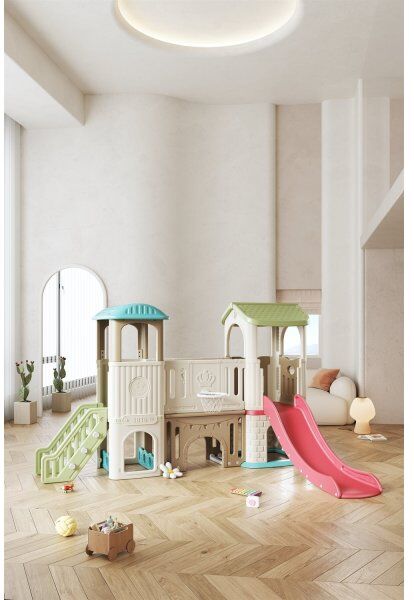
Kids Zone Adventure Park LegepladsAdventure Park Introducer dit barn til en verden af sjov og eventyr med vores fantastiske legetårne med rutsjebane! Vores legetårne er skabt med kærlighed og omtanke for at give dine børn den ultimative legeoplevelse. Legetårnene er ikke kun sjove, de er også smukt udformet. Passer perfekt ind i enhver have eller legerum og giver et imponerende syn. Det er det perfekte sted for børn at møde nye venner og udvikle venskaber, mens de leger sammen og udforsker. Der er sørget for at sikkerheden er i top. Alle materialer er af høj kvalitet, og konstruktionen er stabil og solid. Trappestige Basket Gangbro 2 legetårne Rutsjebane Legerum forneden Størrelse: 207 x 146 x 128 cm Vægt: 59 kg. Godkendelse: EN712998,75 DKK*Shipping: 31,19 DKKSecure redirect to the provider



-
Did Nietzsche want to abolish morality or enforce the master morality?
Nietzsche did not want to abolish morality altogether, but rather to challenge and critique the existing moral values of his time. He sought to undermine the traditional Christian morality, which he saw as promoting weakness and submission, and instead advocated for the reevaluation and redefinition of values based on what he called the "master morality." This master morality emphasized strength, power, and individual will, and Nietzsche believed it to be more in line with human nature and the pursuit of greatness. Therefore, Nietzsche aimed to enforce the master morality as a replacement for the prevailing moral values of his time. **
-
Can one afford morality?
Morality is not something that can be bought or sold, as it is a set of principles and values that guide one's actions and decisions. While there may be costs associated with living a moral life, such as making sacrifices or facing challenges, ultimately, morality is a choice that individuals make based on their beliefs and values. Therefore, one can afford morality by prioritizing it in their decision-making and actions, regardless of their financial situation. **
-
What is Philistine morality?
Philistine morality refers to a set of values and beliefs that prioritize material wealth, superficial appearances, and conformity to societal norms over deeper ethical considerations. It is often associated with a lack of intellectual or artistic appreciation, as well as a focus on immediate gratification and self-interest. The term "Philistine" originally referred to a group of people in ancient times who were considered uncultured and unrefined, and today it is used metaphorically to criticize individuals or societies that prioritize materialism and conformity over more meaningful or ethical pursuits. **
-
Is morality scientifically explainable?
Morality is a complex concept that is influenced by a variety of factors, including cultural, social, and psychological elements. While scientific research can provide insights into the origins and development of moral beliefs and behaviors, it may not be able to fully explain the subjective and value-laden nature of morality. Additionally, moral judgments often involve emotions, intuitions, and personal experiences that may not be easily captured or explained by scientific methods alone. Therefore, while science can contribute to our understanding of morality, it may not be able to provide a complete and definitive explanation. **


Does morality bring happiness?
Morality can bring happiness in the sense that living a moral life can lead to a sense of fulfillment, inner peace, and positive relationships with others. When we act in accordance with our moral values, we often experience a sense of satisfaction and contentment. However, it's important to note that happiness is a complex and subjective experience, and the relationship between morality and happiness can vary for different individuals and in different circumstances. Ultimately, the pursuit of morality can contribute to a meaningful and fulfilling life, which can in turn lead to a sense of happiness. **
What does morality mean?
Morality refers to a set of principles or values that guide an individual's behavior and decision-making, distinguishing between right and wrong. It encompasses concepts such as honesty, integrity, fairness, and compassion, and often reflects societal norms and cultural beliefs. Morality can be influenced by religion, philosophy, and personal experiences, and plays a crucial role in shaping individual and collective ethical conduct. **
Top-Angebote
Products related to Morality:
-
Coleman Quad Chair Camping, FoldestolColeman Quad Chair camping, foldestol Coleman Quad Chair er en klassisk foldestol, der kombinerer komfort og funktionalitet til camping, festival og fritid. Det sammenklappelige design gør stolen nem at transportere og opbevare, mens den stabile konstruktion sikrer behagelig siddekomfort i det fri. De vigtigste fordele Foldbart design for nem transport Komfortabel siddeplads til udendørs brug Stabil konstruktion til camping og fritid Praktiske armlæn for øget komfort Nem at slå op og pakke sammen Velegnet til camping, festival og have Transportvenlig med kompakt opbevaring Komfort til camping og fritid Stolen er designet til afslappende stunder ved campingpladsen, i haven eller på festival. Den brede siddeflade og de praktiske armlæn giver en behagelig siddeoplevelse, også over længere tid. Nem at tage med på farten Det foldbare design gør stolen hurtig at pakke sammen og transportere. Den fylder minimalt under opbevaring og er derfor ideel til rejser og outdoor-aktiviteter. Specifikationer: Type: Campingstol Design: Foldbar Anvendelse: Camping og outdoor Funktioner: Armlæn og transportvenligt design Konstruktion: Stabil og komfortabel Transport: Sammenklappelig311,25 DKK*Shipping: 81,19 DKKSecure redirect to the provider
-
Kids Zone Adventure Park LegepladsAdventure Park Introducer dit barn til en verden af sjov og eventyr med vores fantastiske legetårne med rutsjebane! Vores legetårne er skabt med kærlighed og omtanke for at give dine børn den ultimative legeoplevelse. Legetårnene er ikke kun sjove, de er også smukt udformet. Passer perfekt ind i enhver have eller legerum og giver et imponerende syn. Det er det perfekte sted for børn at møde nye venner og udvikle venskaber, mens de leger sammen og udforsker. Der er sørget for at sikkerheden er i top. Alle materialer er af høj kvalitet, og konstruktionen er stabil og solid. Trappestige Basket Gangbro 2 legetårne Rutsjebane Legerum forneden Størrelse: 207 x 146 x 128 cm Vægt: 59 kg. Godkendelse: EN712998,75 DKK*Shipping: 31,19 DKKSecure redirect to the provider
-
What is morality?
Morality refers to a set of principles or values that guide individuals on what is considered right or wrong behavior. It is a code of conduct that helps people make ethical decisions and distinguish between good and bad actions. Morality is often influenced by cultural, religious, and societal norms, and it plays a crucial role in shaping how individuals interact with others and navigate complex ethical dilemmas. **
-
Is there only subjective morality or is there also objective morality?
There is ongoing debate about whether morality is purely subjective or if there are objective moral truths. Some argue that morality is entirely subjective, meaning that it is based on individual beliefs, cultural norms, and personal experiences. Others believe in the existence of objective moral principles that are independent of individual perspectives and cultural influences. This debate is complex and has been discussed by philosophers and ethicists for centuries, and there is no consensus on the matter. **
-
Did Nietzsche want to abolish morality or enforce the master morality?
Nietzsche did not want to abolish morality altogether, but rather to challenge and critique the existing moral values of his time. He sought to undermine the traditional Christian morality, which he saw as promoting weakness and submission, and instead advocated for the reevaluation and redefinition of values based on what he called the "master morality." This master morality emphasized strength, power, and individual will, and Nietzsche believed it to be more in line with human nature and the pursuit of greatness. Therefore, Nietzsche aimed to enforce the master morality as a replacement for the prevailing moral values of his time. **
-
Can one afford morality?
Morality is not something that can be bought or sold, as it is a set of principles and values that guide one's actions and decisions. While there may be costs associated with living a moral life, such as making sacrifices or facing challenges, ultimately, morality is a choice that individuals make based on their beliefs and values. Therefore, one can afford morality by prioritizing it in their decision-making and actions, regardless of their financial situation. **
Similar search terms for Morality
-
What is Philistine morality?
Philistine morality refers to a set of values and beliefs that prioritize material wealth, superficial appearances, and conformity to societal norms over deeper ethical considerations. It is often associated with a lack of intellectual or artistic appreciation, as well as a focus on immediate gratification and self-interest. The term "Philistine" originally referred to a group of people in ancient times who were considered uncultured and unrefined, and today it is used metaphorically to criticize individuals or societies that prioritize materialism and conformity over more meaningful or ethical pursuits. **
-
Is morality scientifically explainable?
Morality is a complex concept that is influenced by a variety of factors, including cultural, social, and psychological elements. While scientific research can provide insights into the origins and development of moral beliefs and behaviors, it may not be able to fully explain the subjective and value-laden nature of morality. Additionally, moral judgments often involve emotions, intuitions, and personal experiences that may not be easily captured or explained by scientific methods alone. Therefore, while science can contribute to our understanding of morality, it may not be able to provide a complete and definitive explanation. **
-
Does morality bring happiness?
Morality can bring happiness in the sense that living a moral life can lead to a sense of fulfillment, inner peace, and positive relationships with others. When we act in accordance with our moral values, we often experience a sense of satisfaction and contentment. However, it's important to note that happiness is a complex and subjective experience, and the relationship between morality and happiness can vary for different individuals and in different circumstances. Ultimately, the pursuit of morality can contribute to a meaningful and fulfilling life, which can in turn lead to a sense of happiness. **
-
What does morality mean?
Morality refers to a set of principles or values that guide an individual's behavior and decision-making, distinguishing between right and wrong. It encompasses concepts such as honesty, integrity, fairness, and compassion, and often reflects societal norms and cultural beliefs. Morality can be influenced by religion, philosophy, and personal experiences, and plays a crucial role in shaping individual and collective ethical conduct. **
* All prices are inclusive of VAT and, if applicable, plus shipping costs. The offer information is based on the details provided by the respective shop and is updated through automated processes. Real-time updates do not occur, so deviations can occur in individual cases. ** Note: Parts of this content were created by AI.