Buy rield.com ?
We are moving the project
rield.com .
Are you interested in purchasing the domain
rield.com ?
domain@kv-gmbh.de · 0541-91531010
Buy rield.com ?
Are thalidomide deformities hereditary?
Thalidomide deformities are not hereditary. Thalidomide is a teratogen, which means it can cause birth defects when a pregnant woman is exposed to it. However, these birth defects are not passed down from parent to child through genetics. Thalidomide affects the development of the fetus during pregnancy, but it does not alter the genetic makeup of the parents or the child. Therefore, thalidomide deformities are not hereditary. **
Are rib pain and deformities normal?
Rib pain and deformities are not considered normal and can be indicative of underlying health issues. Rib pain can be caused by a variety of factors such as injury, inflammation, or even more serious conditions like fractures or infections. Deformities in the ribs can also be a sign of certain medical conditions such as scoliosis or genetic disorders. It is important to seek medical attention if you are experiencing rib pain or notice any deformities in order to determine the cause and receive appropriate treatment. **


Similar search terms for Deformities
Top-Angebote
Products related to Deformities:
-
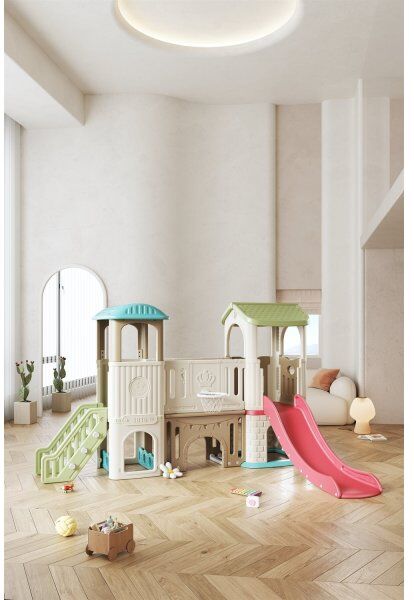
Kids Zone Adventure Park LegepladsAdventure Park Introducer dit barn til en verden af sjov og eventyr med vores fantastiske legetårne med rutsjebane! Vores legetårne er skabt med kærlighed og omtanke for at give dine børn den ultimative legeoplevelse. Legetårnene er ikke kun sjove, de er også smukt udformet. Passer perfekt ind i enhver have eller legerum og giver et imponerende syn. Det er det perfekte sted for børn at møde nye venner og udvikle venskaber, mens de leger sammen og udforsker. Der er sørget for at sikkerheden er i top. Alle materialer er af høj kvalitet, og konstruktionen er stabil og solid. Trappestige Basket Gangbro 2 legetårne Rutsjebane Legerum forneden Størrelse: 207 x 146 x 128 cm Vægt: 59 kg. Godkendelse: EN712998,75 DKK*Shipping: 31,19 DKKSecure redirect to the provider



-
Why do so many Indians have deformities?
There are several reasons why many Indians may have deformities. One contributing factor is the high prevalence of genetic disorders in certain communities due to a lack of genetic diversity. Additionally, environmental factors such as pollution, poor sanitation, and inadequate healthcare access can also lead to deformities. In some cases, malnutrition and limited access to proper healthcare and medical treatment can result in developmental abnormalities. Overall, a combination of genetic, environmental, and socioeconomic factors can contribute to the prevalence of deformities in the Indian population. **
-
"Looking for a horror movie with deformities."
If you are looking for a horror movie that features deformities, you might want to check out "The Hills Have Eyes" or "The Texas Chainsaw Massacre." Both films include characters with physical deformities and deliver a chilling and unsettling atmosphere. These movies are known for their intense and graphic scenes, making them popular choices for horror fans seeking a more disturbing experience. **
-
What is breeding for deformities in horses?
Breeding for deformities in horses refers to intentionally selecting and mating horses with genetic traits that result in physical abnormalities or structural defects. This practice is unethical and can lead to serious health and welfare issues for the affected horses. Deformities can include limb abnormalities, conformational defects, and other physical issues that can impact the horse's ability to move, function, and live a healthy life. Responsible breeding practices focus on selecting for desirable traits that promote the health, soundness, and well-being of the horse. **
-
What is breeding for deformities in pugs?
Breeding for deformities in pugs refers to the intentional breeding of pugs to exaggerate certain physical traits that can lead to health issues and deformities. This can include breeding for extremely short muzzles, which can cause breathing difficulties, as well as excessively wrinkled skin and overly large eyes, which can lead to eye problems. These deformities are often the result of selective breeding for certain aesthetic traits, without consideration for the health and well-being of the dogs. This practice has been widely criticized by animal welfare organizations and veterinarians due to the suffering it can cause for the animals. **


What is breeding for deformities in dwarf rabbits?
Breeding for deformities in dwarf rabbits involves intentionally selecting for genetic mutations that result in physical abnormalities such as shortened limbs, misshapen skulls, or other structural defects. These deformities are often considered desirable in certain breeding circles due to the unique appearance they create. However, this practice can lead to serious health issues and decreased quality of life for the rabbits, making it controversial among animal welfare advocates. It is important for breeders to prioritize the health and well-being of the animals over achieving specific physical traits. **
Can inbreeding in dogs also lead to deformities?
Yes, inbreeding in dogs can lead to an increased risk of genetic disorders and deformities. When closely related dogs are bred together, there is a higher likelihood of passing on harmful genetic mutations and increasing the expression of recessive genes that can lead to deformities. Common deformities associated with inbreeding in dogs include skeletal abnormalities, heart defects, and neurological disorders. Responsible breeding practices, such as outcrossing and genetic testing, can help reduce the risk of deformities caused by inbreeding. **
Top-Angebote
Products related to Deformities:
-
Coleman Quad Chair Camping, FoldestolColeman Quad Chair camping, foldestol Coleman Quad Chair er en klassisk foldestol, der kombinerer komfort og funktionalitet til camping, festival og fritid. Det sammenklappelige design gør stolen nem at transportere og opbevare, mens den stabile konstruktion sikrer behagelig siddekomfort i det fri. De vigtigste fordele Foldbart design for nem transport Komfortabel siddeplads til udendørs brug Stabil konstruktion til camping og fritid Praktiske armlæn for øget komfort Nem at slå op og pakke sammen Velegnet til camping, festival og have Transportvenlig med kompakt opbevaring Komfort til camping og fritid Stolen er designet til afslappende stunder ved campingpladsen, i haven eller på festival. Den brede siddeflade og de praktiske armlæn giver en behagelig siddeoplevelse, også over længere tid. Nem at tage med på farten Det foldbare design gør stolen hurtig at pakke sammen og transportere. Den fylder minimalt under opbevaring og er derfor ideel til rejser og outdoor-aktiviteter. Specifikationer: Type: Campingstol Design: Foldbar Anvendelse: Camping og outdoor Funktioner: Armlæn og transportvenligt design Konstruktion: Stabil og komfortabel Transport: Sammenklappelig311,25 DKK*Shipping: 81,19 DKKSecure redirect to the provider
-
Kids Zone Adventure Park LegepladsAdventure Park Introducer dit barn til en verden af sjov og eventyr med vores fantastiske legetårne med rutsjebane! Vores legetårne er skabt med kærlighed og omtanke for at give dine børn den ultimative legeoplevelse. Legetårnene er ikke kun sjove, de er også smukt udformet. Passer perfekt ind i enhver have eller legerum og giver et imponerende syn. Det er det perfekte sted for børn at møde nye venner og udvikle venskaber, mens de leger sammen og udforsker. Der er sørget for at sikkerheden er i top. Alle materialer er af høj kvalitet, og konstruktionen er stabil og solid. Trappestige Basket Gangbro 2 legetårne Rutsjebane Legerum forneden Størrelse: 207 x 146 x 128 cm Vægt: 59 kg. Godkendelse: EN712998,75 DKK*Shipping: 31,19 DKKSecure redirect to the provider
-
Are thalidomide deformities hereditary?
Thalidomide deformities are not hereditary. Thalidomide is a teratogen, which means it can cause birth defects when a pregnant woman is exposed to it. However, these birth defects are not passed down from parent to child through genetics. Thalidomide affects the development of the fetus during pregnancy, but it does not alter the genetic makeup of the parents or the child. Therefore, thalidomide deformities are not hereditary. **
-
Are rib pain and deformities normal?
Rib pain and deformities are not considered normal and can be indicative of underlying health issues. Rib pain can be caused by a variety of factors such as injury, inflammation, or even more serious conditions like fractures or infections. Deformities in the ribs can also be a sign of certain medical conditions such as scoliosis or genetic disorders. It is important to seek medical attention if you are experiencing rib pain or notice any deformities in order to determine the cause and receive appropriate treatment. **
-
Why do so many Indians have deformities?
There are several reasons why many Indians may have deformities. One contributing factor is the high prevalence of genetic disorders in certain communities due to a lack of genetic diversity. Additionally, environmental factors such as pollution, poor sanitation, and inadequate healthcare access can also lead to deformities. In some cases, malnutrition and limited access to proper healthcare and medical treatment can result in developmental abnormalities. Overall, a combination of genetic, environmental, and socioeconomic factors can contribute to the prevalence of deformities in the Indian population. **
-
"Looking for a horror movie with deformities."
If you are looking for a horror movie that features deformities, you might want to check out "The Hills Have Eyes" or "The Texas Chainsaw Massacre." Both films include characters with physical deformities and deliver a chilling and unsettling atmosphere. These movies are known for their intense and graphic scenes, making them popular choices for horror fans seeking a more disturbing experience. **
Similar search terms for Deformities
-
What is breeding for deformities in horses?
Breeding for deformities in horses refers to intentionally selecting and mating horses with genetic traits that result in physical abnormalities or structural defects. This practice is unethical and can lead to serious health and welfare issues for the affected horses. Deformities can include limb abnormalities, conformational defects, and other physical issues that can impact the horse's ability to move, function, and live a healthy life. Responsible breeding practices focus on selecting for desirable traits that promote the health, soundness, and well-being of the horse. **
-
What is breeding for deformities in pugs?
Breeding for deformities in pugs refers to the intentional breeding of pugs to exaggerate certain physical traits that can lead to health issues and deformities. This can include breeding for extremely short muzzles, which can cause breathing difficulties, as well as excessively wrinkled skin and overly large eyes, which can lead to eye problems. These deformities are often the result of selective breeding for certain aesthetic traits, without consideration for the health and well-being of the dogs. This practice has been widely criticized by animal welfare organizations and veterinarians due to the suffering it can cause for the animals. **
-
What is breeding for deformities in dwarf rabbits?
Breeding for deformities in dwarf rabbits involves intentionally selecting for genetic mutations that result in physical abnormalities such as shortened limbs, misshapen skulls, or other structural defects. These deformities are often considered desirable in certain breeding circles due to the unique appearance they create. However, this practice can lead to serious health issues and decreased quality of life for the rabbits, making it controversial among animal welfare advocates. It is important for breeders to prioritize the health and well-being of the animals over achieving specific physical traits. **
-
Can inbreeding in dogs also lead to deformities?
Yes, inbreeding in dogs can lead to an increased risk of genetic disorders and deformities. When closely related dogs are bred together, there is a higher likelihood of passing on harmful genetic mutations and increasing the expression of recessive genes that can lead to deformities. Common deformities associated with inbreeding in dogs include skeletal abnormalities, heart defects, and neurological disorders. Responsible breeding practices, such as outcrossing and genetic testing, can help reduce the risk of deformities caused by inbreeding. **
* All prices are inclusive of VAT and, if applicable, plus shipping costs. The offer information is based on the details provided by the respective shop and is updated through automated processes. Real-time updates do not occur, so deviations can occur in individual cases. ** Note: Parts of this content were created by AI.