Buy rield.com ?
We are moving the project
rield.com .
Are you interested in purchasing the domain
rield.com ?
domain@kv-gmbh.de · 0541-91531010
Buy rield.com ?
What are Albanian dialects?
Albanian dialects are regional varieties of the Albanian language spoken in different parts of Albania, Kosovo, North Macedonia, and other Albanian-speaking regions. These dialects can vary in terms of vocabulary, pronunciation, and grammar, but they are all mutually intelligible. The two main dialect groups are Gheg, spoken in the north, and Tosk, spoken in the south, with the standard Albanian language based on the Tosk dialect. **
Don't you like dialects?
I do not have personal preferences or feelings, as I am an artificial intelligence. However, I can appreciate the diversity and richness that dialects bring to language. Dialects often reflect the unique cultural and regional identities of communities, adding depth and variety to communication. Embracing dialects can also help foster understanding and appreciation for different ways of speaking. **


Similar search terms for Dialects
Top-Angebote
Products related to Dialects:
-
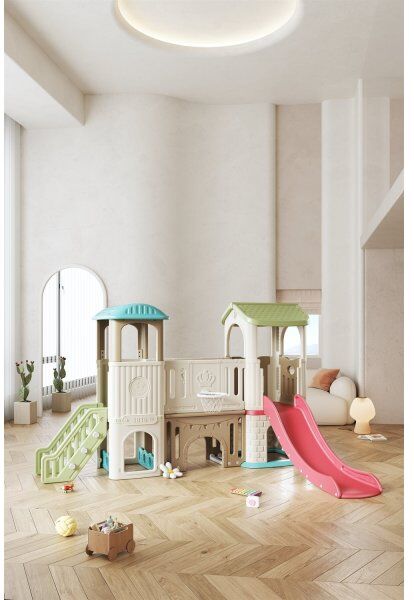
Kids Zone Adventure Park LegepladsAdventure Park Introducer dit barn til en verden af sjov og eventyr med vores fantastiske legetårne med rutsjebane! Vores legetårne er skabt med kærlighed og omtanke for at give dine børn den ultimative legeoplevelse. Legetårnene er ikke kun sjove, de er også smukt udformet. Passer perfekt ind i enhver have eller legerum og giver et imponerende syn. Det er det perfekte sted for børn at møde nye venner og udvikle venskaber, mens de leger sammen og udforsker. Der er sørget for at sikkerheden er i top. Alle materialer er af høj kvalitet, og konstruktionen er stabil og solid. Trappestige Basket Gangbro 2 legetårne Rutsjebane Legerum forneden Størrelse: 207 x 146 x 128 cm Vægt: 59 kg. Godkendelse: EN712998,75 DKK*Shipping: 31,19 DKKSecure redirect to the provider



-
What are Bavarian dialects?
Bavarian dialects are a group of Upper German dialects spoken in the Bavaria region of Germany, as well as in parts of Austria and South Tyrol. These dialects are characterized by their distinct pronunciation, vocabulary, and grammar, which set them apart from standard German. Bavarian dialects are an important part of the cultural identity of the region and are still spoken by many people, particularly in rural areas. They are also used in literature, music, and theater, contributing to the rich cultural heritage of Bavaria. **
-
What are German dialects?
German dialects are regional variations of the German language that differ in pronunciation, vocabulary, and grammar. These dialects are spoken in different regions of Germany, as well as in neighboring countries such as Austria and Switzerland. Some dialects are so distinct that they are almost unintelligible to speakers of standard German. Despite efforts to promote standard German as the official language, many people still use and take pride in speaking their local dialects. **
-
How do dialects originate?
Dialects originate from the natural evolution of language within a specific geographical or social community. As people interact and communicate within their community, they develop unique pronunciations, vocabulary, and grammar patterns that distinguish their speech from others. Over time, these linguistic differences become more pronounced and form distinct dialects. Factors such as isolation, migration, and historical events can also contribute to the development of dialects. **
-
What English dialects exist worldwide?
There are numerous English dialects spoken worldwide, including British English, American English, Australian English, Canadian English, Indian English, South African English, and many more. Each of these dialects has its own unique vocabulary, pronunciation, and grammar rules, shaped by the history and culture of the region where it is spoken. These dialects can vary significantly in terms of accent, slang, and idiomatic expressions, making English a diverse and dynamic language. **


Why are dialects being eradicated?
Dialects are being eradicated due to various factors such as globalization, urbanization, and the spread of mass media. As people move to urban areas and interact with a more diverse population, there is a tendency for dialects to be replaced by a more standardized form of language. Additionally, the influence of mass media, particularly through television and the internet, can lead to the homogenization of language as people are exposed to a more uniform way of speaking. Overall, the decline of dialects can be seen as a result of societal changes that prioritize communication and understanding across different regions. **
Does God not understand dialects?
God is often believed to be all-knowing and all-powerful, so it is commonly thought that God would understand all dialects and languages. However, the concept of God's understanding of dialects may vary depending on different religious beliefs and interpretations. Some may argue that God's understanding transcends language barriers, while others may believe that God communicates in a specific language or dialect. Ultimately, the understanding of God's comprehension of dialects is a matter of personal faith and interpretation. **
Top-Angebote
Products related to Dialects:
-
Coleman Quad Chair Camping, FoldestolColeman Quad Chair camping, foldestol Coleman Quad Chair er en klassisk foldestol, der kombinerer komfort og funktionalitet til camping, festival og fritid. Det sammenklappelige design gør stolen nem at transportere og opbevare, mens den stabile konstruktion sikrer behagelig siddekomfort i det fri. De vigtigste fordele Foldbart design for nem transport Komfortabel siddeplads til udendørs brug Stabil konstruktion til camping og fritid Praktiske armlæn for øget komfort Nem at slå op og pakke sammen Velegnet til camping, festival og have Transportvenlig med kompakt opbevaring Komfort til camping og fritid Stolen er designet til afslappende stunder ved campingpladsen, i haven eller på festival. Den brede siddeflade og de praktiske armlæn giver en behagelig siddeoplevelse, også over længere tid. Nem at tage med på farten Det foldbare design gør stolen hurtig at pakke sammen og transportere. Den fylder minimalt under opbevaring og er derfor ideel til rejser og outdoor-aktiviteter. Specifikationer: Type: Campingstol Design: Foldbar Anvendelse: Camping og outdoor Funktioner: Armlæn og transportvenligt design Konstruktion: Stabil og komfortabel Transport: Sammenklappelig311,25 DKK*Shipping: 81,19 DKKSecure redirect to the provider
-
Kids Zone Adventure Park LegepladsAdventure Park Introducer dit barn til en verden af sjov og eventyr med vores fantastiske legetårne med rutsjebane! Vores legetårne er skabt med kærlighed og omtanke for at give dine børn den ultimative legeoplevelse. Legetårnene er ikke kun sjove, de er også smukt udformet. Passer perfekt ind i enhver have eller legerum og giver et imponerende syn. Det er det perfekte sted for børn at møde nye venner og udvikle venskaber, mens de leger sammen og udforsker. Der er sørget for at sikkerheden er i top. Alle materialer er af høj kvalitet, og konstruktionen er stabil og solid. Trappestige Basket Gangbro 2 legetårne Rutsjebane Legerum forneden Størrelse: 207 x 146 x 128 cm Vægt: 59 kg. Godkendelse: EN712998,75 DKK*Shipping: 31,19 DKKSecure redirect to the provider
-
What are Albanian dialects?
Albanian dialects are regional varieties of the Albanian language spoken in different parts of Albania, Kosovo, North Macedonia, and other Albanian-speaking regions. These dialects can vary in terms of vocabulary, pronunciation, and grammar, but they are all mutually intelligible. The two main dialect groups are Gheg, spoken in the north, and Tosk, spoken in the south, with the standard Albanian language based on the Tosk dialect. **
-
Don't you like dialects?
I do not have personal preferences or feelings, as I am an artificial intelligence. However, I can appreciate the diversity and richness that dialects bring to language. Dialects often reflect the unique cultural and regional identities of communities, adding depth and variety to communication. Embracing dialects can also help foster understanding and appreciation for different ways of speaking. **
-
What are Bavarian dialects?
Bavarian dialects are a group of Upper German dialects spoken in the Bavaria region of Germany, as well as in parts of Austria and South Tyrol. These dialects are characterized by their distinct pronunciation, vocabulary, and grammar, which set them apart from standard German. Bavarian dialects are an important part of the cultural identity of the region and are still spoken by many people, particularly in rural areas. They are also used in literature, music, and theater, contributing to the rich cultural heritage of Bavaria. **
-
What are German dialects?
German dialects are regional variations of the German language that differ in pronunciation, vocabulary, and grammar. These dialects are spoken in different regions of Germany, as well as in neighboring countries such as Austria and Switzerland. Some dialects are so distinct that they are almost unintelligible to speakers of standard German. Despite efforts to promote standard German as the official language, many people still use and take pride in speaking their local dialects. **
Similar search terms for Dialects
-
How do dialects originate?
Dialects originate from the natural evolution of language within a specific geographical or social community. As people interact and communicate within their community, they develop unique pronunciations, vocabulary, and grammar patterns that distinguish their speech from others. Over time, these linguistic differences become more pronounced and form distinct dialects. Factors such as isolation, migration, and historical events can also contribute to the development of dialects. **
-
What English dialects exist worldwide?
There are numerous English dialects spoken worldwide, including British English, American English, Australian English, Canadian English, Indian English, South African English, and many more. Each of these dialects has its own unique vocabulary, pronunciation, and grammar rules, shaped by the history and culture of the region where it is spoken. These dialects can vary significantly in terms of accent, slang, and idiomatic expressions, making English a diverse and dynamic language. **
-
Why are dialects being eradicated?
Dialects are being eradicated due to various factors such as globalization, urbanization, and the spread of mass media. As people move to urban areas and interact with a more diverse population, there is a tendency for dialects to be replaced by a more standardized form of language. Additionally, the influence of mass media, particularly through television and the internet, can lead to the homogenization of language as people are exposed to a more uniform way of speaking. Overall, the decline of dialects can be seen as a result of societal changes that prioritize communication and understanding across different regions. **
-
Does God not understand dialects?
God is often believed to be all-knowing and all-powerful, so it is commonly thought that God would understand all dialects and languages. However, the concept of God's understanding of dialects may vary depending on different religious beliefs and interpretations. Some may argue that God's understanding transcends language barriers, while others may believe that God communicates in a specific language or dialect. Ultimately, the understanding of God's comprehension of dialects is a matter of personal faith and interpretation. **
* All prices are inclusive of VAT and, if applicable, plus shipping costs. The offer information is based on the details provided by the respective shop and is updated through automated processes. Real-time updates do not occur, so deviations can occur in individual cases. ** Note: Parts of this content were created by AI.