Buy rield.com ?
We are moving the project
rield.com .
Are you interested in purchasing the domain
rield.com ?
domain@kv-gmbh.de · 0541-91531010
Buy rield.com ?
Which printing ink is used for linocut printing?
Linocut printing typically uses oil-based printing ink. This type of ink is preferred for linocut printing because it has a thick consistency that allows for easy application onto the linoleum block. Additionally, oil-based ink dries slowly, which gives the artist more time to work with the image and create the desired effects. This type of ink also provides a rich and vibrant color when printed onto paper. **
What printing methods are there for printing handbags?
There are several printing methods for printing handbags, including screen printing, digital printing, and heat transfer printing. Screen printing involves using a stencil to transfer ink onto the handbag material, while digital printing uses a computer to directly print designs onto the material. Heat transfer printing involves using heat and pressure to transfer a design from a special paper onto the handbag material. Each method has its own advantages and is chosen based on factors such as the material of the handbag and the complexity of the design. **


Similar search terms for Printing
Top-Angebote
Products related to Printing:
-
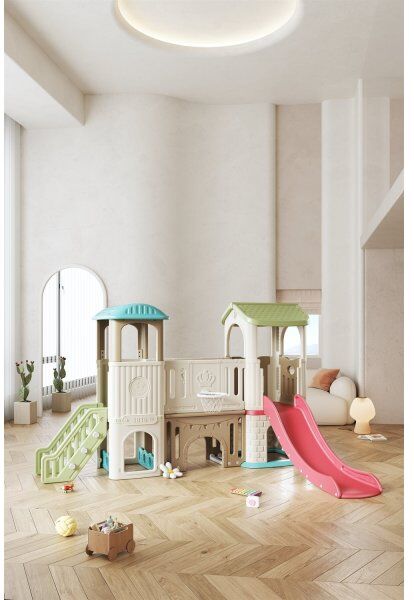
Kids Zone Adventure Park LegepladsAdventure Park Introducer dit barn til en verden af sjov og eventyr med vores fantastiske legetårne med rutsjebane! Vores legetårne er skabt med kærlighed og omtanke for at give dine børn den ultimative legeoplevelse. Legetårnene er ikke kun sjove, de er også smukt udformet. Passer perfekt ind i enhver have eller legerum og giver et imponerende syn. Det er det perfekte sted for børn at møde nye venner og udvikle venskaber, mens de leger sammen og udforsker. Der er sørget for at sikkerheden er i top. Alle materialer er af høj kvalitet, og konstruktionen er stabil og solid. Trappestige Basket Gangbro 2 legetårne Rutsjebane Legerum forneden Størrelse: 207 x 146 x 128 cm Vægt: 59 kg. Godkendelse: EN712998,75 DKK*Shipping: 31,19 DKKSecure redirect to the provider


-
What are the printing substrates and printing materials used in the following printing processes?
In offset printing, the printing substrate is typically paper or cardboard, while the printing materials are ink and a printing plate. In digital printing, the substrate can vary and include paper, plastic, fabric, or even metal, and the printing materials are toner or liquid ink. In flexography, the substrate is usually flexible and can include paper, plastic, or cellophane, and the printing materials are liquid inks. In gravure printing, the substrate can be paper, plastic, or metal, and the printing materials are liquid inks. **
-
What is the difference between printing and printing out?
Printing refers to the process of producing text or images on paper or other materials using a printer. On the other hand, printing out specifically refers to the action of sending a document or file to a printer to produce a physical copy. In essence, printing is a broader term that encompasses the entire process of producing printed materials, while printing out is a specific action within that process. **
-
Which printing process is used in digital book printing?
Digital book printing typically uses the process of digital printing, which involves transferring digital files directly onto the printing substrate. This process eliminates the need for traditional printing plates and allows for more efficient and cost-effective production of books. Digital printing also offers the flexibility to print small runs and customize each book, making it ideal for on-demand and self-publishing needs. **
-
Is printing in Economode a weaker way of printing?
Printing in Economode is not necessarily a weaker way of printing, but rather a more efficient and economical way. Economode is a feature on printers that reduces the amount of ink or toner used, resulting in lower printing costs. While the print quality may be slightly lower in Economode, it is still suitable for everyday printing needs. Ultimately, the decision to use Economode depends on the specific printing requirements and the balance between cost and quality. **


What is the difference between flex printing and screen printing?
Flex printing is a digital printing technique where the design is first created on a computer and then printed onto a special type of vinyl material, which is then heat-pressed onto the fabric. On the other hand, screen printing involves creating a stencil of the design on a mesh screen, which is then used to transfer ink onto the fabric by pressing the ink through the screen. Flex printing is better suited for detailed designs and smaller quantities, while screen printing is more cost-effective for larger quantities and simpler designs. Additionally, flex printing results in a smoother finish, while screen printing can create a thicker layer of ink on the fabric. **
What is the difference between flex printing and digital printing?
Flex printing is a process that uses a flexible material, such as vinyl, to print designs onto various surfaces, including banners, billboards, and vehicle wraps. It is a cost-effective option for large-scale printing and is known for its durability and weather resistance. On the other hand, digital printing involves using a digital file to directly print designs onto a variety of materials, such as paper, fabric, and plastic. It is a more versatile and precise method of printing, allowing for high-quality, detailed prints with a wide range of colors. Overall, the main difference between flex printing and digital printing lies in the materials used and the scale of the printing projects. **
Top-Angebote
Products related to Printing:
-
Coleman Quad Chair Camping, FoldestolColeman Quad Chair camping, foldestol Coleman Quad Chair er en klassisk foldestol, der kombinerer komfort og funktionalitet til camping, festival og fritid. Det sammenklappelige design gør stolen nem at transportere og opbevare, mens den stabile konstruktion sikrer behagelig siddekomfort i det fri. De vigtigste fordele Foldbart design for nem transport Komfortabel siddeplads til udendørs brug Stabil konstruktion til camping og fritid Praktiske armlæn for øget komfort Nem at slå op og pakke sammen Velegnet til camping, festival og have Transportvenlig med kompakt opbevaring Komfort til camping og fritid Stolen er designet til afslappende stunder ved campingpladsen, i haven eller på festival. Den brede siddeflade og de praktiske armlæn giver en behagelig siddeoplevelse, også over længere tid. Nem at tage med på farten Det foldbare design gør stolen hurtig at pakke sammen og transportere. Den fylder minimalt under opbevaring og er derfor ideel til rejser og outdoor-aktiviteter. Specifikationer: Type: Campingstol Design: Foldbar Anvendelse: Camping og outdoor Funktioner: Armlæn og transportvenligt design Konstruktion: Stabil og komfortabel Transport: Sammenklappelig311,25 DKK*Shipping: 81,19 DKKSecure redirect to the provider
-
Kids Zone Adventure Park LegepladsAdventure Park Introducer dit barn til en verden af sjov og eventyr med vores fantastiske legetårne med rutsjebane! Vores legetårne er skabt med kærlighed og omtanke for at give dine børn den ultimative legeoplevelse. Legetårnene er ikke kun sjove, de er også smukt udformet. Passer perfekt ind i enhver have eller legerum og giver et imponerende syn. Det er det perfekte sted for børn at møde nye venner og udvikle venskaber, mens de leger sammen og udforsker. Der er sørget for at sikkerheden er i top. Alle materialer er af høj kvalitet, og konstruktionen er stabil og solid. Trappestige Basket Gangbro 2 legetårne Rutsjebane Legerum forneden Størrelse: 207 x 146 x 128 cm Vægt: 59 kg. Godkendelse: EN712998,75 DKK*Shipping: 31,19 DKKSecure redirect to the provider
-
Which printing ink is used for linocut printing?
Linocut printing typically uses oil-based printing ink. This type of ink is preferred for linocut printing because it has a thick consistency that allows for easy application onto the linoleum block. Additionally, oil-based ink dries slowly, which gives the artist more time to work with the image and create the desired effects. This type of ink also provides a rich and vibrant color when printed onto paper. **
-
What printing methods are there for printing handbags?
There are several printing methods for printing handbags, including screen printing, digital printing, and heat transfer printing. Screen printing involves using a stencil to transfer ink onto the handbag material, while digital printing uses a computer to directly print designs onto the material. Heat transfer printing involves using heat and pressure to transfer a design from a special paper onto the handbag material. Each method has its own advantages and is chosen based on factors such as the material of the handbag and the complexity of the design. **
-
What are the printing substrates and printing materials used in the following printing processes?
In offset printing, the printing substrate is typically paper or cardboard, while the printing materials are ink and a printing plate. In digital printing, the substrate can vary and include paper, plastic, fabric, or even metal, and the printing materials are toner or liquid ink. In flexography, the substrate is usually flexible and can include paper, plastic, or cellophane, and the printing materials are liquid inks. In gravure printing, the substrate can be paper, plastic, or metal, and the printing materials are liquid inks. **
-
What is the difference between printing and printing out?
Printing refers to the process of producing text or images on paper or other materials using a printer. On the other hand, printing out specifically refers to the action of sending a document or file to a printer to produce a physical copy. In essence, printing is a broader term that encompasses the entire process of producing printed materials, while printing out is a specific action within that process. **
Similar search terms for Printing
-
Which printing process is used in digital book printing?
Digital book printing typically uses the process of digital printing, which involves transferring digital files directly onto the printing substrate. This process eliminates the need for traditional printing plates and allows for more efficient and cost-effective production of books. Digital printing also offers the flexibility to print small runs and customize each book, making it ideal for on-demand and self-publishing needs. **
-
Is printing in Economode a weaker way of printing?
Printing in Economode is not necessarily a weaker way of printing, but rather a more efficient and economical way. Economode is a feature on printers that reduces the amount of ink or toner used, resulting in lower printing costs. While the print quality may be slightly lower in Economode, it is still suitable for everyday printing needs. Ultimately, the decision to use Economode depends on the specific printing requirements and the balance between cost and quality. **
-
What is the difference between flex printing and screen printing?
Flex printing is a digital printing technique where the design is first created on a computer and then printed onto a special type of vinyl material, which is then heat-pressed onto the fabric. On the other hand, screen printing involves creating a stencil of the design on a mesh screen, which is then used to transfer ink onto the fabric by pressing the ink through the screen. Flex printing is better suited for detailed designs and smaller quantities, while screen printing is more cost-effective for larger quantities and simpler designs. Additionally, flex printing results in a smoother finish, while screen printing can create a thicker layer of ink on the fabric. **
-
What is the difference between flex printing and digital printing?
Flex printing is a process that uses a flexible material, such as vinyl, to print designs onto various surfaces, including banners, billboards, and vehicle wraps. It is a cost-effective option for large-scale printing and is known for its durability and weather resistance. On the other hand, digital printing involves using a digital file to directly print designs onto a variety of materials, such as paper, fabric, and plastic. It is a more versatile and precise method of printing, allowing for high-quality, detailed prints with a wide range of colors. Overall, the main difference between flex printing and digital printing lies in the materials used and the scale of the printing projects. **
* All prices are inclusive of VAT and, if applicable, plus shipping costs. The offer information is based on the details provided by the respective shop and is updated through automated processes. Real-time updates do not occur, so deviations can occur in individual cases. ** Note: Parts of this content were created by AI.