Buy rield.com ?
We are moving the project
rield.com .
Are you interested in purchasing the domain
rield.com ?
domain@kv-gmbh.de · 0541-91531010
Buy rield.com ?
What are irregular verbs and strong verbs?
Irregular verbs are verbs that do not follow the regular pattern of adding -ed to form their past tense and past participle. Instead, they have unique forms for these tenses. Strong verbs are a type of irregular verb that form their past tense and past participle by changing the vowel sound in the base form of the verb. These verbs often have a more complex and unpredictable pattern of inflection compared to regular and weak verbs. **
Can you please explain the difference between main verbs, auxiliary verbs, and modal verbs?
Main verbs are the primary verbs in a sentence that express the main action or state of being. Auxiliary verbs, also known as helping verbs, are used alongside main verbs to form different tenses, moods, or voices. Modal verbs are a type of auxiliary verb that express possibility, necessity, ability, or permission. They are used to modify the meaning of the main verb in a sentence. **


Similar search terms for Verbs
Top-Angebote
Products related to Verbs:
-
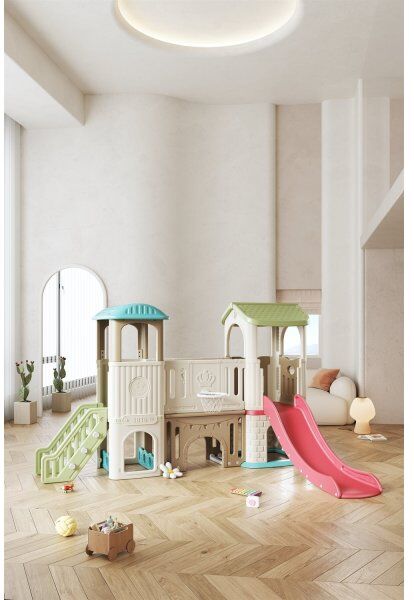
Kids Zone Adventure Park LegepladsAdventure Park Introducer dit barn til en verden af sjov og eventyr med vores fantastiske legetårne med rutsjebane! Vores legetårne er skabt med kærlighed og omtanke for at give dine børn den ultimative legeoplevelse. Legetårnene er ikke kun sjove, de er også smukt udformet. Passer perfekt ind i enhver have eller legerum og giver et imponerende syn. Det er det perfekte sted for børn at møde nye venner og udvikle venskaber, mens de leger sammen og udforsker. Der er sørget for at sikkerheden er i top. Alle materialer er af høj kvalitet, og konstruktionen er stabil og solid. Trappestige Basket Gangbro 2 legetårne Rutsjebane Legerum forneden Størrelse: 207 x 146 x 128 cm Vægt: 59 kg. Godkendelse: EN712998,75 DKK*Shipping: 31,19 DKKSecure redirect to the provider


-
What are regular verbs in English and irregular verbs?
Regular verbs in English are verbs that follow a predictable pattern when forming their past tense and past participle forms. They simply add "-ed" to the base form of the verb to create the past tense and past participle forms. For example, "walk" becomes "walked" and "play" becomes "played." Irregular verbs, on the other hand, do not follow this pattern and have unique past tense and past participle forms that do not end in "-ed." For example, "go" becomes "went" and "eat" becomes "ate." These irregular forms must be memorized as they do not follow a consistent rule. **
-
Can Italian reflexive verbs be used as modal verbs?
No, Italian reflexive verbs cannot be used as modal verbs. Reflexive verbs in Italian indicate that the subject of the verb is also the recipient of the action. On the other hand, modal verbs in Italian express possibility, necessity, or ability. While both types of verbs are important in Italian grammar, they serve different functions and cannot be used interchangeably. **
-
Are verbs capitalized?
Verbs are not capitalized unless they are at the beginning of a sentence. In regular writing, verbs are typically written in lowercase letters. However, in titles or headings where all major words are capitalized, verbs may be capitalized as well. **
-
What are verbs?
Verbs are words that express action, occurrence, or state of being. They are an essential part of speech and are used to convey the action or state of the subject in a sentence. Verbs can be in different tenses, such as past, present, or future, and can also be modified to show aspects like continuous or perfect. In English, verbs are conjugated to match the subject and can also be used with auxiliary verbs to form different tenses and moods. **

What is the difference between main verbs, auxiliary verbs, and modal verbs? Can you also give an example?
Main verbs are the primary verbs in a sentence that express the main action or state of being, such as "run," "eat," or "sleep." Auxiliary verbs, also known as helping verbs, are used in conjunction with main verbs to form different tenses, voices, or moods, such as "be," "have," or "do." Modal verbs are a type of auxiliary verb that express possibility, necessity, or ability, such as "can," "could," "must," or "should." For example, in the sentence "She is running," "is" is the auxiliary verb and "running" is the main verb. In the sentence "He can swim," "can" is the modal verb and "swim" is the main verb. **
What are stative verbs?
Stative verbs are verbs that express a state or condition rather than an action. They describe a state of being, feeling, or possession rather than an activity. Stative verbs are not typically used in continuous tenses because they do not indicate an action that is ongoing or in progress. Examples of stative verbs include "be," "belong," "like," "know," and "understand." **
Top-Angebote
Products related to Verbs:
-
Coleman Quad Chair Camping, FoldestolColeman Quad Chair camping, foldestol Coleman Quad Chair er en klassisk foldestol, der kombinerer komfort og funktionalitet til camping, festival og fritid. Det sammenklappelige design gør stolen nem at transportere og opbevare, mens den stabile konstruktion sikrer behagelig siddekomfort i det fri. De vigtigste fordele Foldbart design for nem transport Komfortabel siddeplads til udendørs brug Stabil konstruktion til camping og fritid Praktiske armlæn for øget komfort Nem at slå op og pakke sammen Velegnet til camping, festival og have Transportvenlig med kompakt opbevaring Komfort til camping og fritid Stolen er designet til afslappende stunder ved campingpladsen, i haven eller på festival. Den brede siddeflade og de praktiske armlæn giver en behagelig siddeoplevelse, også over længere tid. Nem at tage med på farten Det foldbare design gør stolen hurtig at pakke sammen og transportere. Den fylder minimalt under opbevaring og er derfor ideel til rejser og outdoor-aktiviteter. Specifikationer: Type: Campingstol Design: Foldbar Anvendelse: Camping og outdoor Funktioner: Armlæn og transportvenligt design Konstruktion: Stabil og komfortabel Transport: Sammenklappelig311,25 DKK*Shipping: 81,19 DKKSecure redirect to the provider
-
Kids Zone Adventure Park LegepladsAdventure Park Introducer dit barn til en verden af sjov og eventyr med vores fantastiske legetårne med rutsjebane! Vores legetårne er skabt med kærlighed og omtanke for at give dine børn den ultimative legeoplevelse. Legetårnene er ikke kun sjove, de er også smukt udformet. Passer perfekt ind i enhver have eller legerum og giver et imponerende syn. Det er det perfekte sted for børn at møde nye venner og udvikle venskaber, mens de leger sammen og udforsker. Der er sørget for at sikkerheden er i top. Alle materialer er af høj kvalitet, og konstruktionen er stabil og solid. Trappestige Basket Gangbro 2 legetårne Rutsjebane Legerum forneden Størrelse: 207 x 146 x 128 cm Vægt: 59 kg. Godkendelse: EN712998,75 DKK*Shipping: 31,19 DKKSecure redirect to the provider
-
What are irregular verbs and strong verbs?
Irregular verbs are verbs that do not follow the regular pattern of adding -ed to form their past tense and past participle. Instead, they have unique forms for these tenses. Strong verbs are a type of irregular verb that form their past tense and past participle by changing the vowel sound in the base form of the verb. These verbs often have a more complex and unpredictable pattern of inflection compared to regular and weak verbs. **
-
Can you please explain the difference between main verbs, auxiliary verbs, and modal verbs?
Main verbs are the primary verbs in a sentence that express the main action or state of being. Auxiliary verbs, also known as helping verbs, are used alongside main verbs to form different tenses, moods, or voices. Modal verbs are a type of auxiliary verb that express possibility, necessity, ability, or permission. They are used to modify the meaning of the main verb in a sentence. **
-
What are regular verbs in English and irregular verbs?
Regular verbs in English are verbs that follow a predictable pattern when forming their past tense and past participle forms. They simply add "-ed" to the base form of the verb to create the past tense and past participle forms. For example, "walk" becomes "walked" and "play" becomes "played." Irregular verbs, on the other hand, do not follow this pattern and have unique past tense and past participle forms that do not end in "-ed." For example, "go" becomes "went" and "eat" becomes "ate." These irregular forms must be memorized as they do not follow a consistent rule. **
-
Can Italian reflexive verbs be used as modal verbs?
No, Italian reflexive verbs cannot be used as modal verbs. Reflexive verbs in Italian indicate that the subject of the verb is also the recipient of the action. On the other hand, modal verbs in Italian express possibility, necessity, or ability. While both types of verbs are important in Italian grammar, they serve different functions and cannot be used interchangeably. **
Similar search terms for Verbs
-
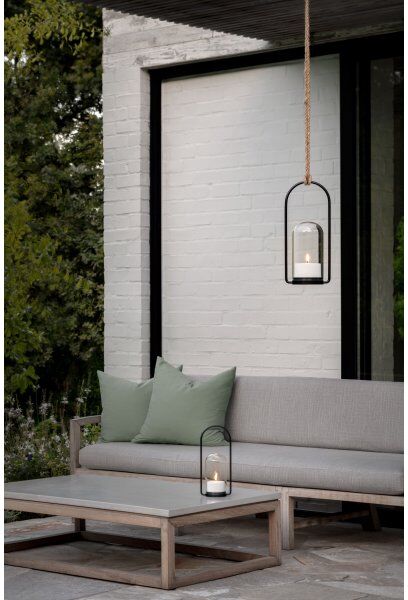
Uyuni Outdoor Lanterne & FjernbetjeningSkab en hyggelig atmosfære på terrassen, altanen eller i haven med denne stilrene Uyuni Outdoor lanterne. Den kombinerer et moderne design med et naturtro LED-lys, der giver et varmt og behageligt skær uden sod, røg eller stearin. Den medfølgende fjernbetjening gør det nemt at styre lyset, uanset om lanternen bruges ude eller inde. De vigtigste fordele Komplet sæt med lanterne, LED-lys og fjernbetjening Naturtro LED-flamme skaber et varmt og stemningsfuldt lys Velegnet til både indendørs og udendørs brug Fremstillet i vejrbestandige materialer Fjernbetjening med tænd/sluk-, dæmpe- og timerfunktion Stilrent design, der passer til mange indretningsstile Stemningsfuld belysning året rundt Lanternen er udviklet til udendørs brug og kan skabe en indbydende atmosfære på terrasser, altaner og i haver. Det enkle design gør den samtidig velegnet som dekorativ belysning i entréer, stuer eller orangerier. Nem betjening med fjernbetjening Den medfølgende fjernbetjening giver mulighed for at tænde, slukke, dæmpe lyset og aktivere timerfunktion med et enkelt tryk. Det gør det let at tilpasse belysningen efter behov og skabe den ønskede stemning. Specifikationer Indeholder: 1 stk. Uyuni Outdoor lanterne Indeholder: 1 stk. Uyuni Outdoor LED-lys Indeholder: 1 stk. fjernbetjening Anvendelse: Indendørs og udendørs Materialer: Vejrbestandige materialer375,00 DKK*Shipping: 81,19 DKKSecure redirect to the provider
-
Are verbs capitalized?
Verbs are not capitalized unless they are at the beginning of a sentence. In regular writing, verbs are typically written in lowercase letters. However, in titles or headings where all major words are capitalized, verbs may be capitalized as well. **
-
What are verbs?
Verbs are words that express action, occurrence, or state of being. They are an essential part of speech and are used to convey the action or state of the subject in a sentence. Verbs can be in different tenses, such as past, present, or future, and can also be modified to show aspects like continuous or perfect. In English, verbs are conjugated to match the subject and can also be used with auxiliary verbs to form different tenses and moods. **
-
What is the difference between main verbs, auxiliary verbs, and modal verbs? Can you also give an example?
Main verbs are the primary verbs in a sentence that express the main action or state of being, such as "run," "eat," or "sleep." Auxiliary verbs, also known as helping verbs, are used in conjunction with main verbs to form different tenses, voices, or moods, such as "be," "have," or "do." Modal verbs are a type of auxiliary verb that express possibility, necessity, or ability, such as "can," "could," "must," or "should." For example, in the sentence "She is running," "is" is the auxiliary verb and "running" is the main verb. In the sentence "He can swim," "can" is the modal verb and "swim" is the main verb. **
-
What are stative verbs?
Stative verbs are verbs that express a state or condition rather than an action. They describe a state of being, feeling, or possession rather than an activity. Stative verbs are not typically used in continuous tenses because they do not indicate an action that is ongoing or in progress. Examples of stative verbs include "be," "belong," "like," "know," and "understand." **
* All prices are inclusive of VAT and, if applicable, plus shipping costs. The offer information is based on the details provided by the respective shop and is updated through automated processes. Real-time updates do not occur, so deviations can occur in individual cases. ** Note: Parts of this content were created by AI.